10 hr
Nizwa Souq & Jebel Shams Canyon Day Trip
- Expert local guide
- Small group
- Skip-the-line access
- Free cancellation
Jebel Shams Tour — Canyon Hikes & Summit Experiences
Oman's highest peak and deepest gorge, paired in one dramatic ascent
Compare fares, pick the fit — all bookings are mobile-voucher and eligible for free cancellation where shown.
10 hr
9 hr
10 hr
Planning a jebel shams tour requires deciding between a self-guided exploration of the canyon rim or a managed excursion through the rugged terrain. Whether you prefer the freedom of independent travel or the structure of organized Jebel Shams tour tours, this majestic landmark offers versatile ways to experience its dramatic heights.
| Self-Guided Visit Flexible Access |
Top pick Guided Mountain Excursion Full-Service Package |
|
|---|---|---|
| Access Type | Public access | Private tour operator |
| Canyon Rim Entry | Free | Included in package |
| Parking Fee | 2 OMR at summit | Usually included |
| Best For | Independent explorers | First-time visitors |
| Transport | Personal 4WD required | Provided in tour |
| Duration | Flexible | Typically full-day |
| See tickets & prices |
Verdict: We recommend the Guided Mountain Excursion for those seeking a seamless experience, while independent travelers can secure their jebel shams tour tickets for specific activities like hiking through local service providers.
Worth it for canyon scenery and mountain adventure
A jebel shams tour delivers access to Oman's highest peak and the dramatic Grand Canyon viewpoint with minimal barrier to entry—the summit area itself charges no entrance fee, though a 2 OMR parking levy applies at the main overlook. Day trips from Nizwa bundle the canyon with historic forts and traditional villages, while overnight mountain experiences add stargazing and sunrise from the rim. The value proposition hinges on transport: the winding 40 km ascent from Al Hamra requires a 4WD and confident driving, making guided Jebel Shams tours practical for visitors without their own vehicle. Morning light transforms the canyon's layered rock into ochre and rust tones, and the W6 Balcony Walk trail—a 4 km scramble along the gorge edge—ranks among the region's most rewarding hikes. Skip it only if you have independent 4WD access and strong navigation skills; otherwise, the bundled logistics justify the outlay.
Bottom line: Guided Jebel Shams tour tickets solve the 4WD logistics problem and pair Oman's deepest canyon with cultural stops that independent visitors would tackle separately.
Jebel Shams offers a rugged adventure into the deepest canyon of Oman, whereas Jebel Akhdar is defined by its terraced mountain orchards and cooler high-altitude gardens. Visitors prioritize a jebel shams tour for its dramatic geological scale, while the rival destination appeals to those seeking botanical diversity and luxury resorts.
|
Top pick Jebel Shams |
Jebel Akhdar | |
|---|---|---|
| Topography | Deep limestone canyon | High altitude plateau gardens |
| Access | 4WD required for summit | 4WD mandatory for checkpoint |
| Primary Appeal | Canyon vistas and hiking | Rose terraces and fruit orchards |
| Typical Intensity | High physical activity | Moderate walking pace |
| Average Duration | Full day exploration | Half to full day visit |
| Parking Fee | 2 OMR (at summit) | 0 OMR (public access) |
| Booking Requirements | Optional jebel shams tour tickets | Access permit usually required |
| Seasonality | Best in cooler months | Peak during rose season |
| See tickets & prices |
Verdict: Those craving raw, vertical landscapes should prioritize a jebel shams tour tours, while travelers preferring botanical serenity and mountain resorts will find more satisfaction in these jebel shams tour tour alternatives.
Hand-picked experiences loved by thousands of travelers
1.5 days
Free Cancellation
Explore ancient forts, traditional villages, and summit Oman's highest peak with an overnight mountain stay
3 - 10 hours
Free Cancellation
Scale Oman's tallest peak and trek the dramatic Balcony Walk above the canyon's sheer cliffs
3.5 hours
Free Cancellation
Ascend Oman's highest peaks in a 4x4, explore an ancient mountain village, and witness dusk over the Arabian canyon.
8 hours
Free Cancellation
Trek a clifftop trail carved into Oman's highest peak, passing through an abandoned mountain village
12 hours
Free Cancellation
Conquer Oman's highest peak on a demanding full-day mountain expedition with canyon panoramas
2 days
Free Cancellation
Discover Oman's highest peak, hike the Grand Canyon trail, and explore historic villages on this private mountain escape.
5 days
Free Cancellation
Journey from Muscat's grand mosques to desert camps, emerald wadis, and the dramatic cliffs of Jebel Shams.
2 days
Free Cancellation
Conquer Oman's highest peak on a two-day mountain expedition with camping beneath the stars
Reach the summit viewpoint parking area
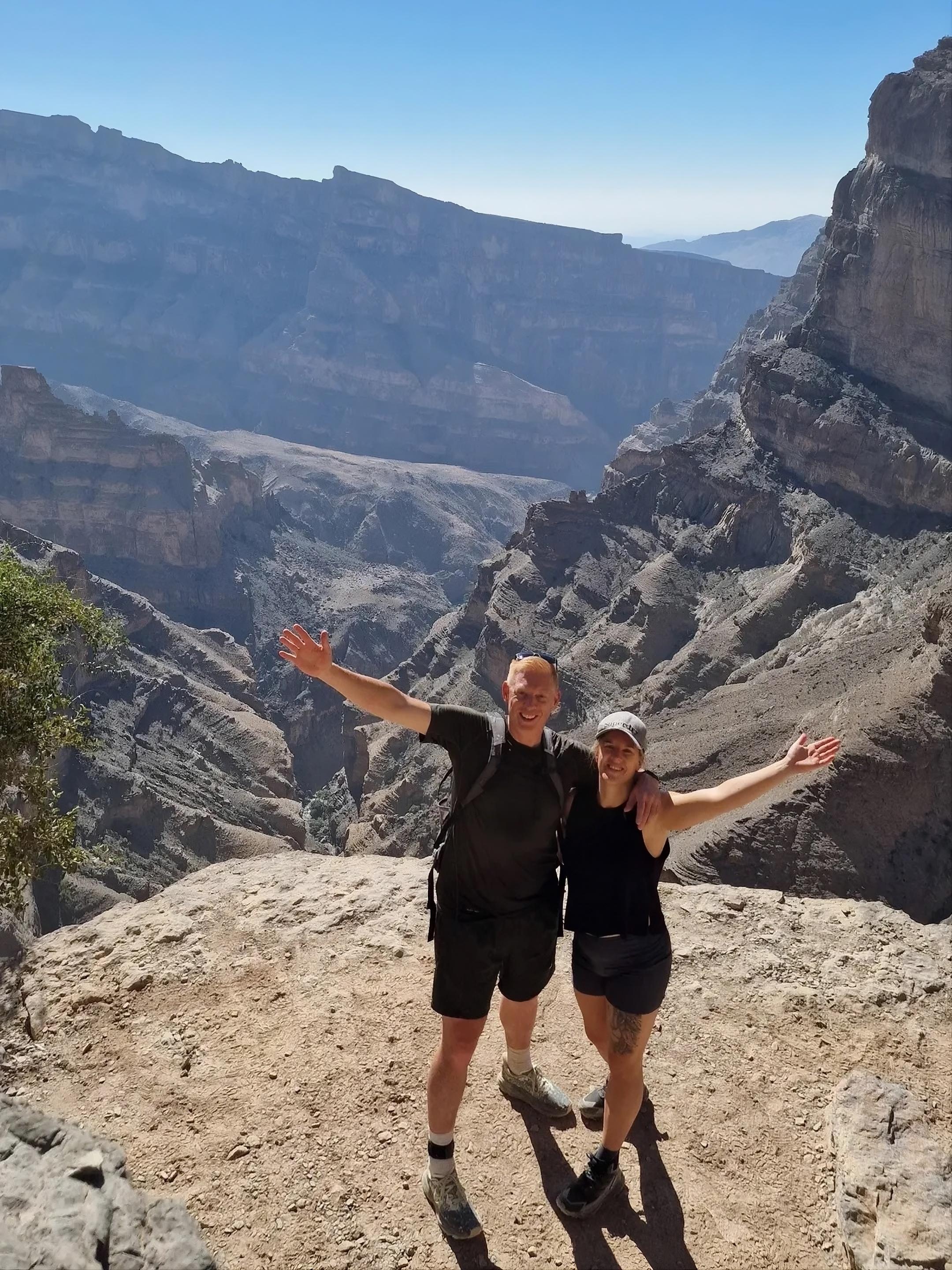
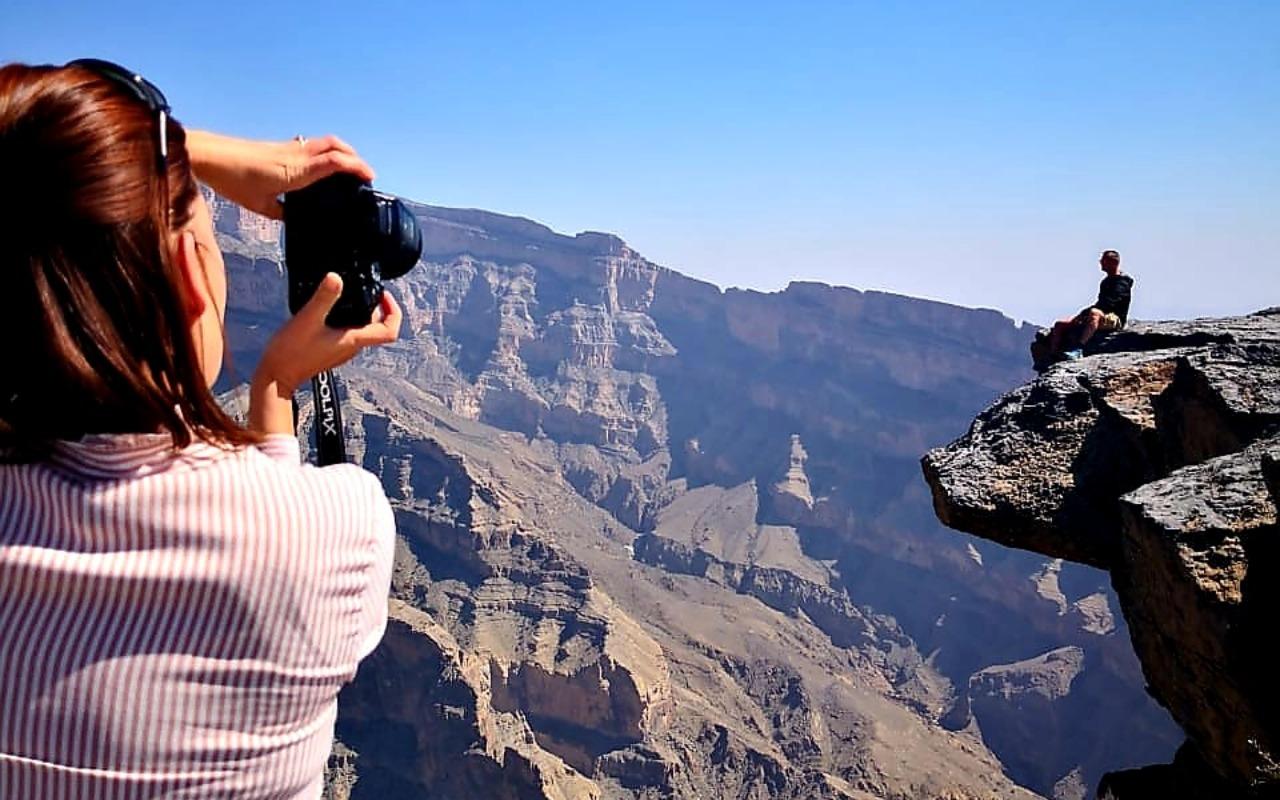
Capture views of the Grand Canyon of Arabia
Explore the rim of the canyon
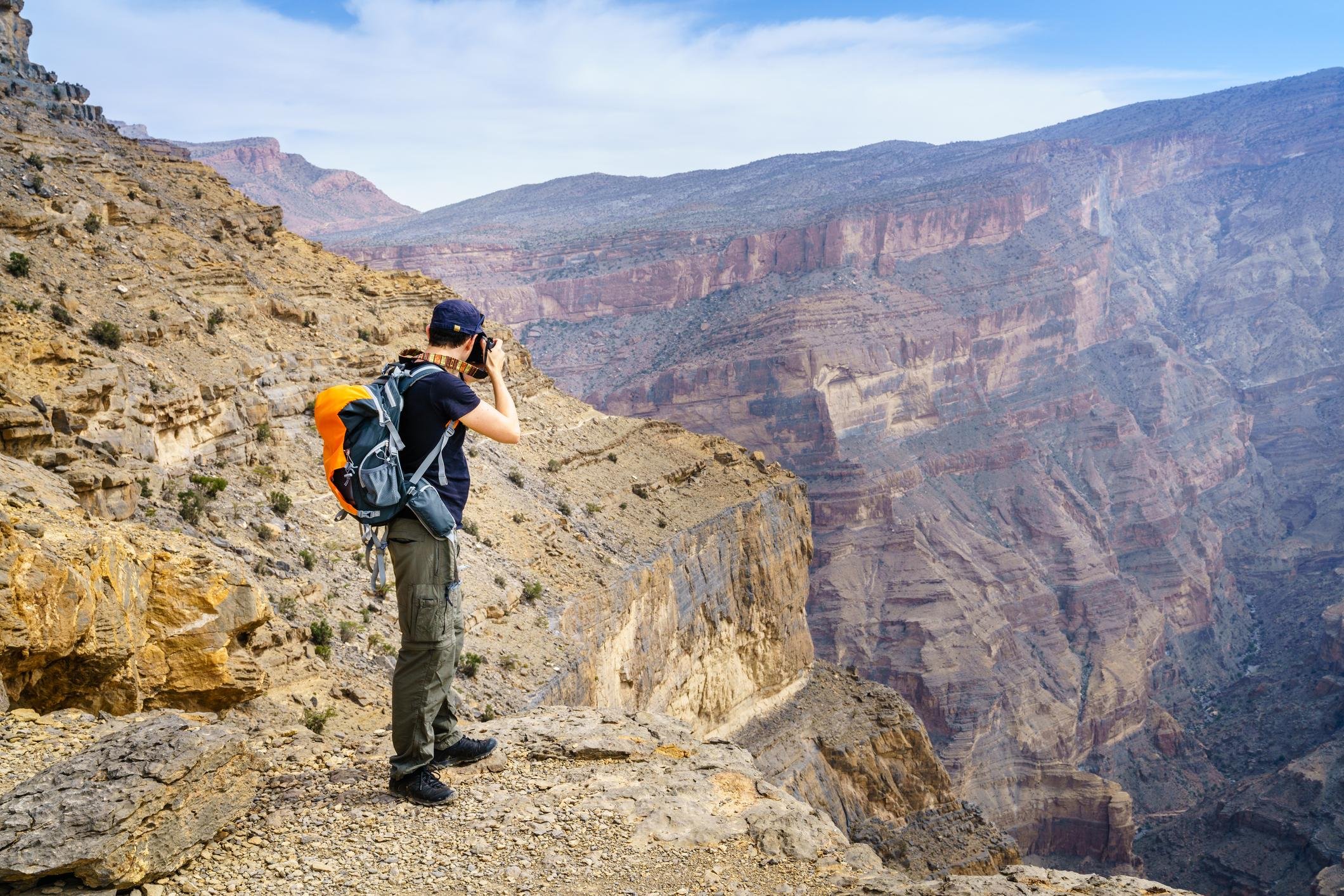
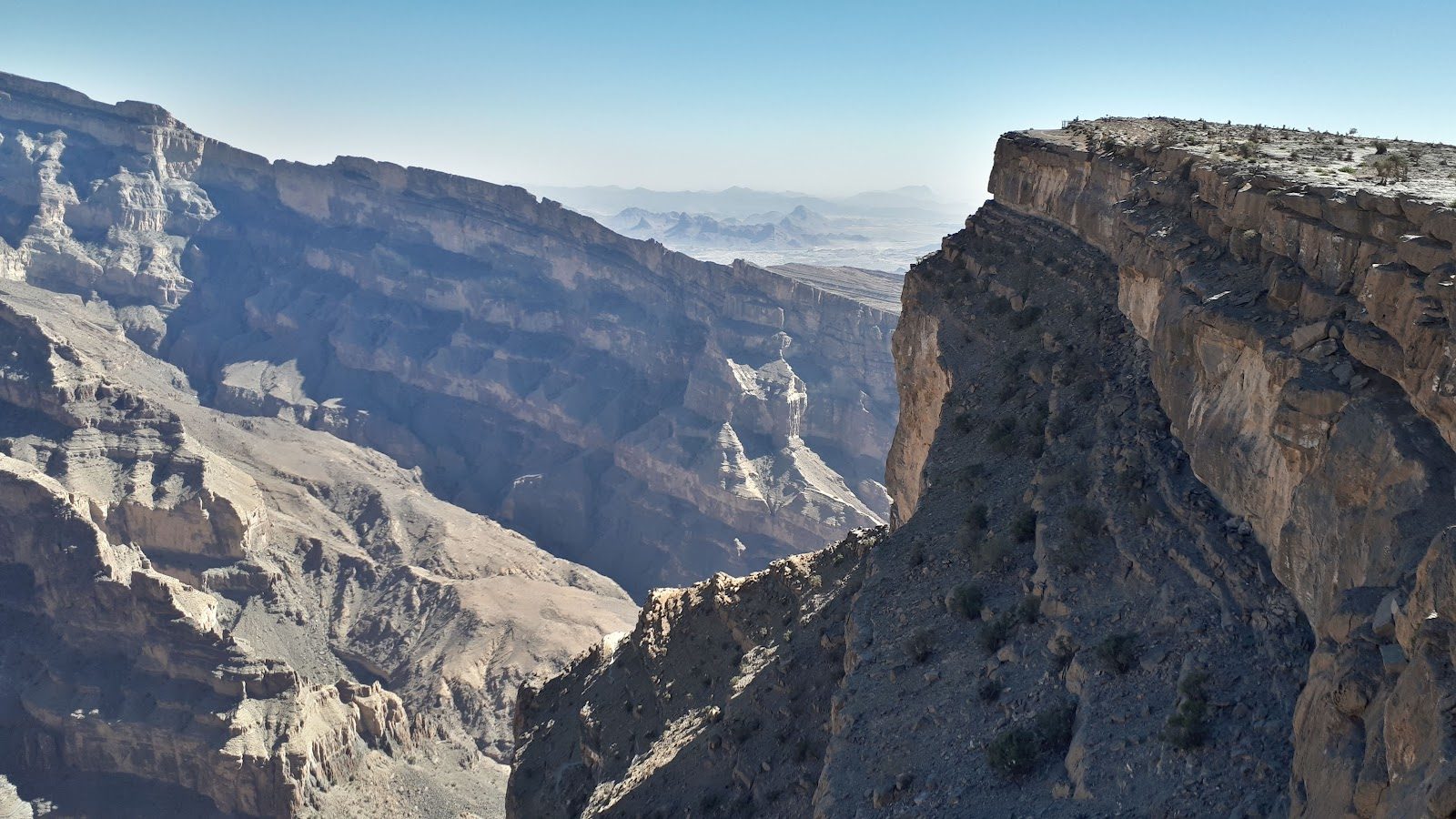
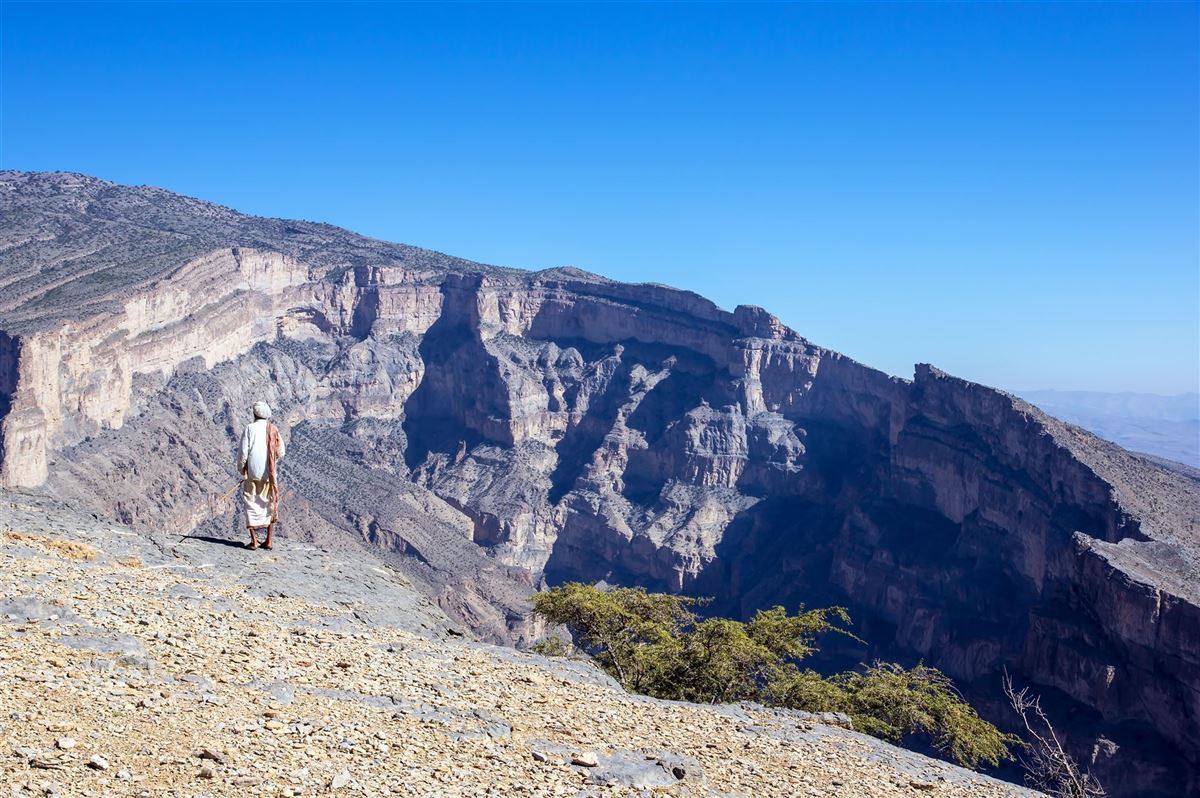
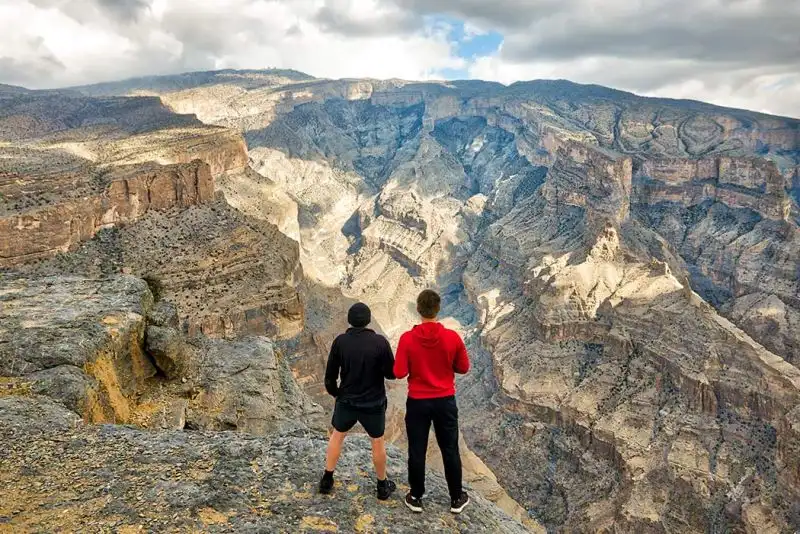
This dramatic drop-off offers views into a canyon over 1,000 meters deep. It is often referred to as the Grand Canyon of Arabia.
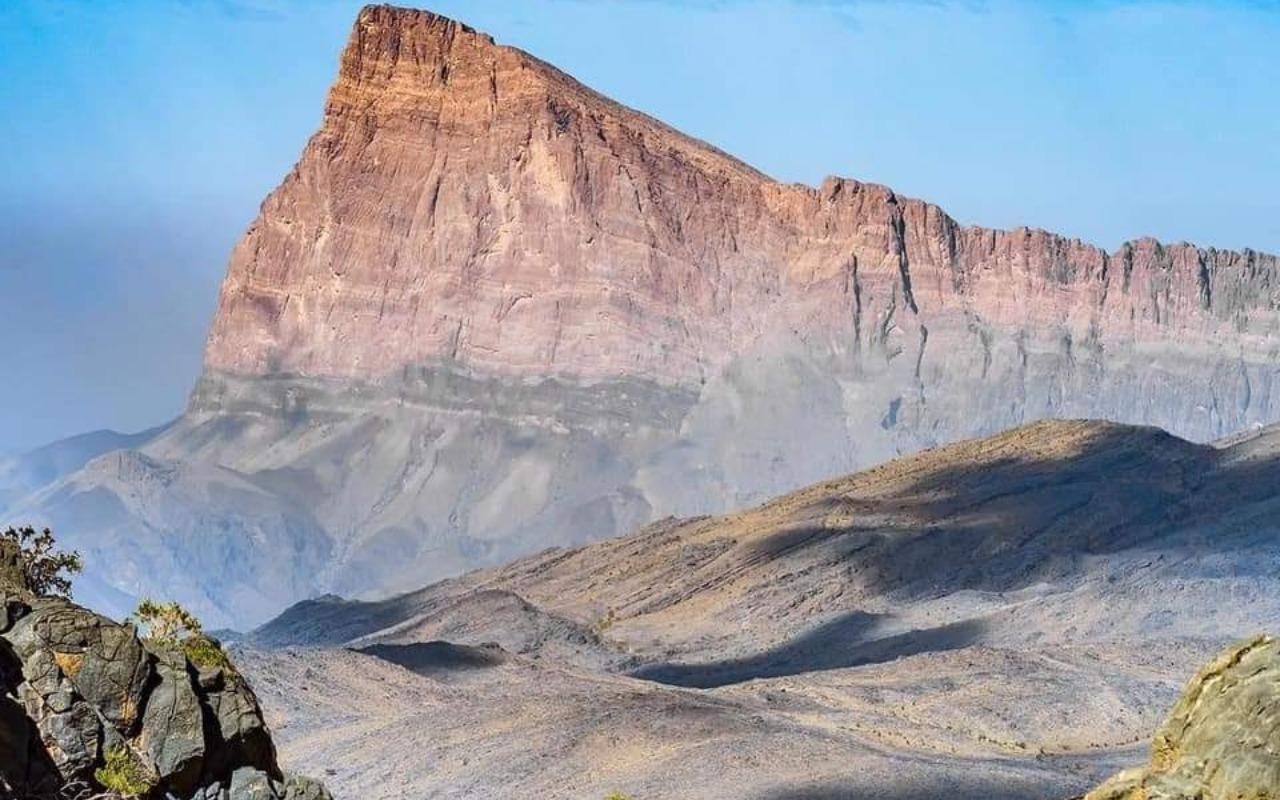
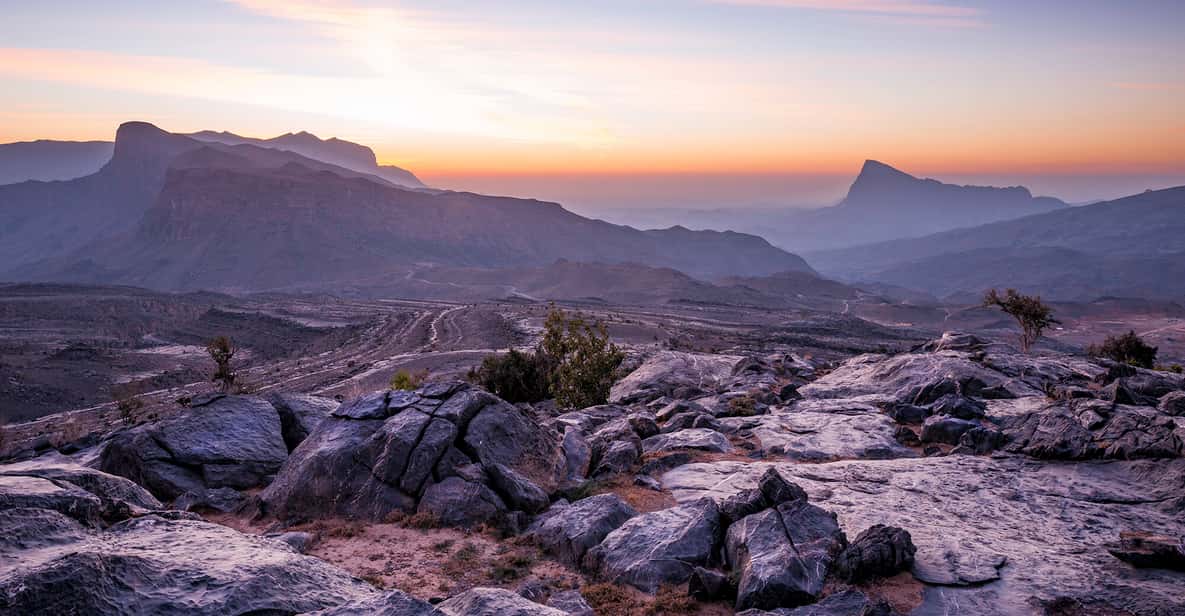
The highest point allows for a 360-degree look at the Hajar mountain range. It is the most popular stop for those on a guided trip.
Remnants of historic stone houses provide insight into traditional mountain life. These structures are integrated into the rocky landscape.
The path follows the canyon rim providing a distinct perspective of the rugged geology. It is suitable for those seeking light physical activity.
You leave Nizwa in the early morning, passing date plantations and the fortified towers of Bahla before turning west toward the Hajar foothills. At Al Hamra your guide parks near the old quarter, where two-storey houses built from sun-dried mud line narrow alleys.
Wooden doors open onto courtyards shaded by palm fronds. Twenty minutes later you reach Misfat Al Abriyeen, a village terraced into a limestone ridge. You walk between falaj channels that spill into irrigation pools, the water cold and clear, fed by springs higher in the mountains.
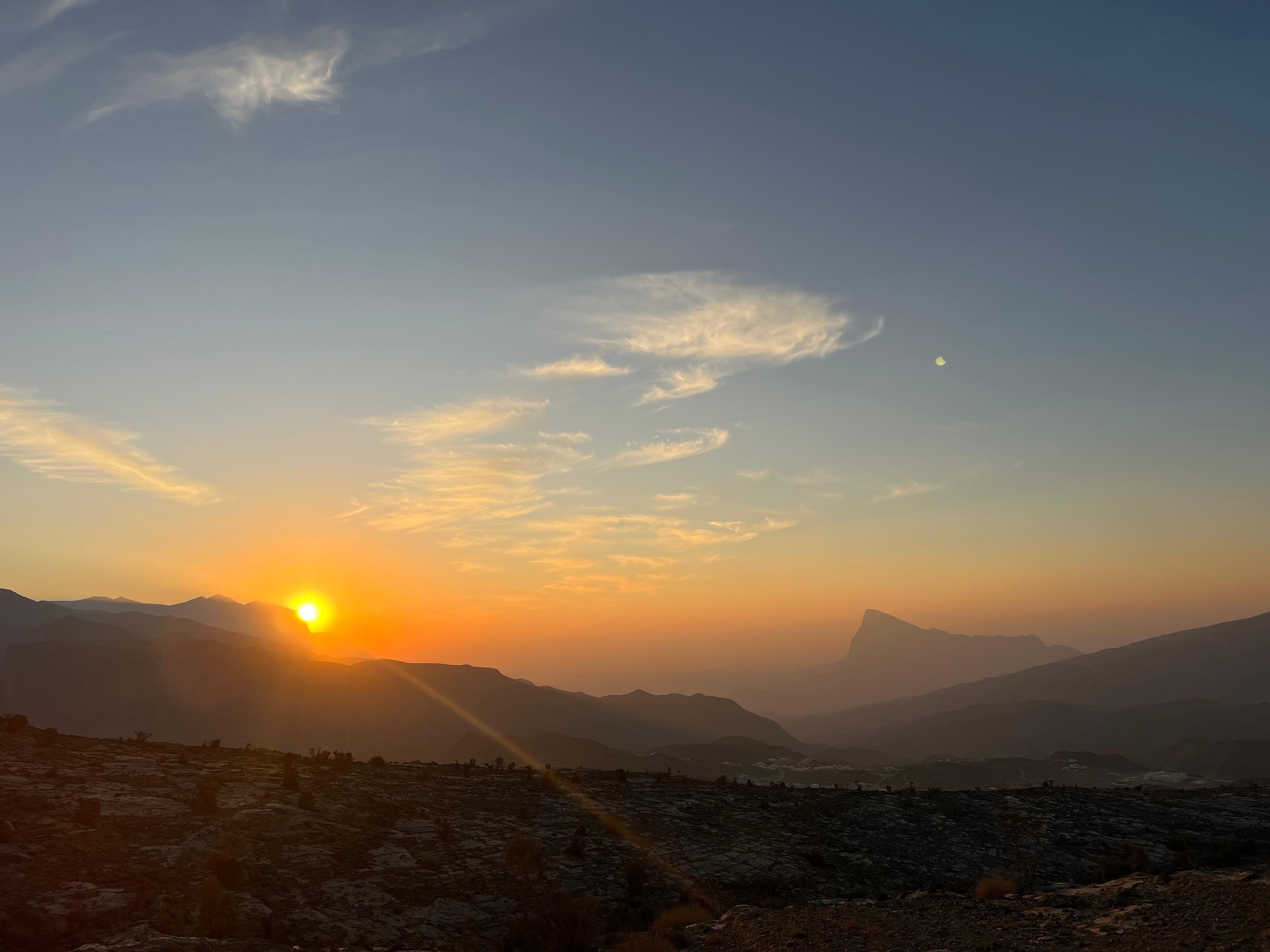
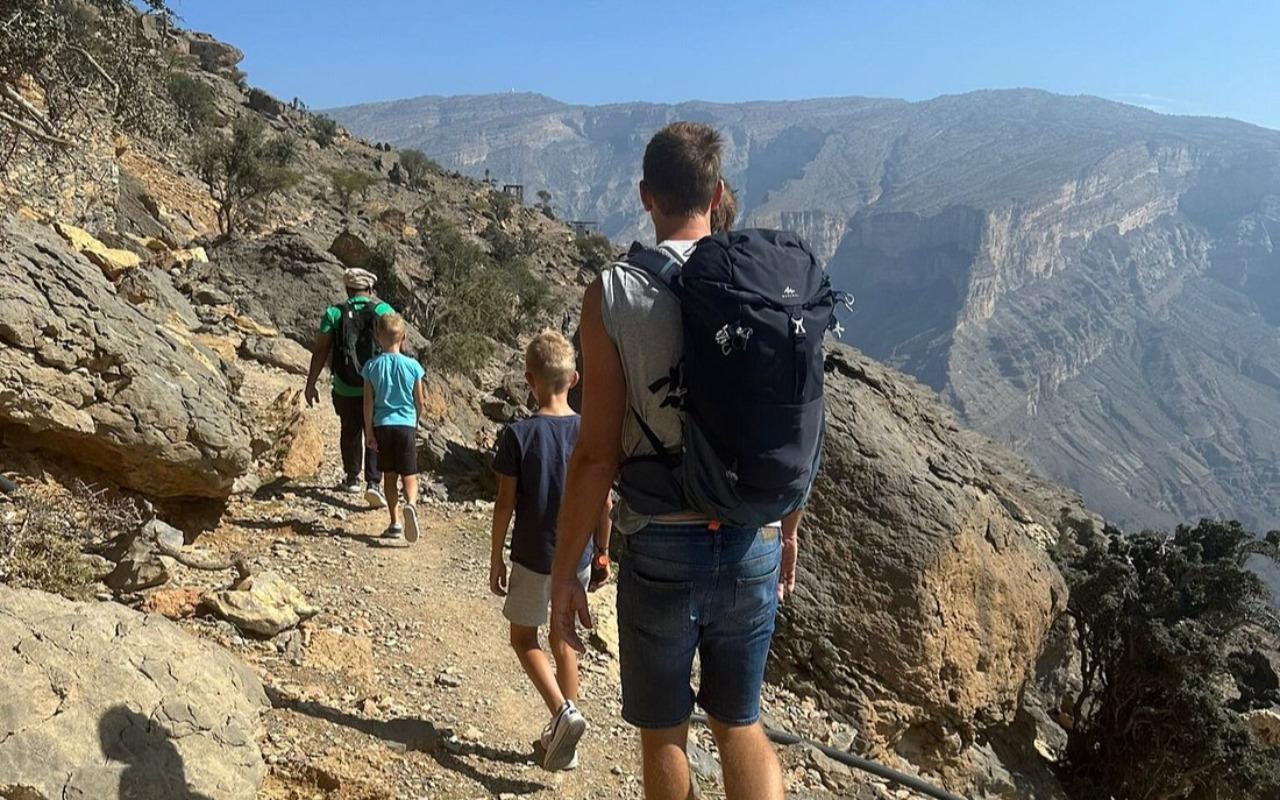
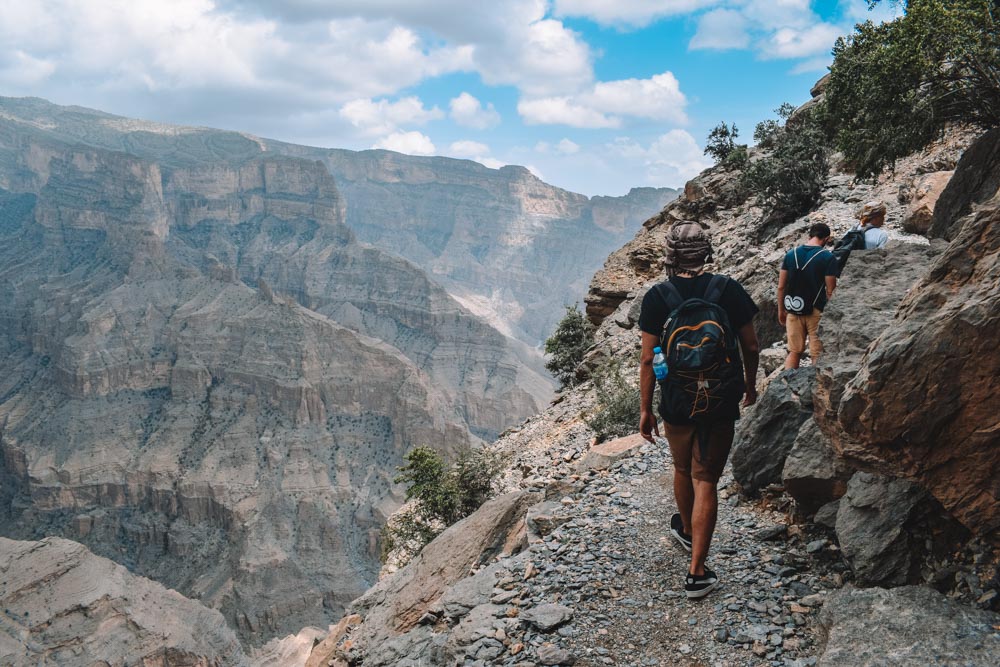
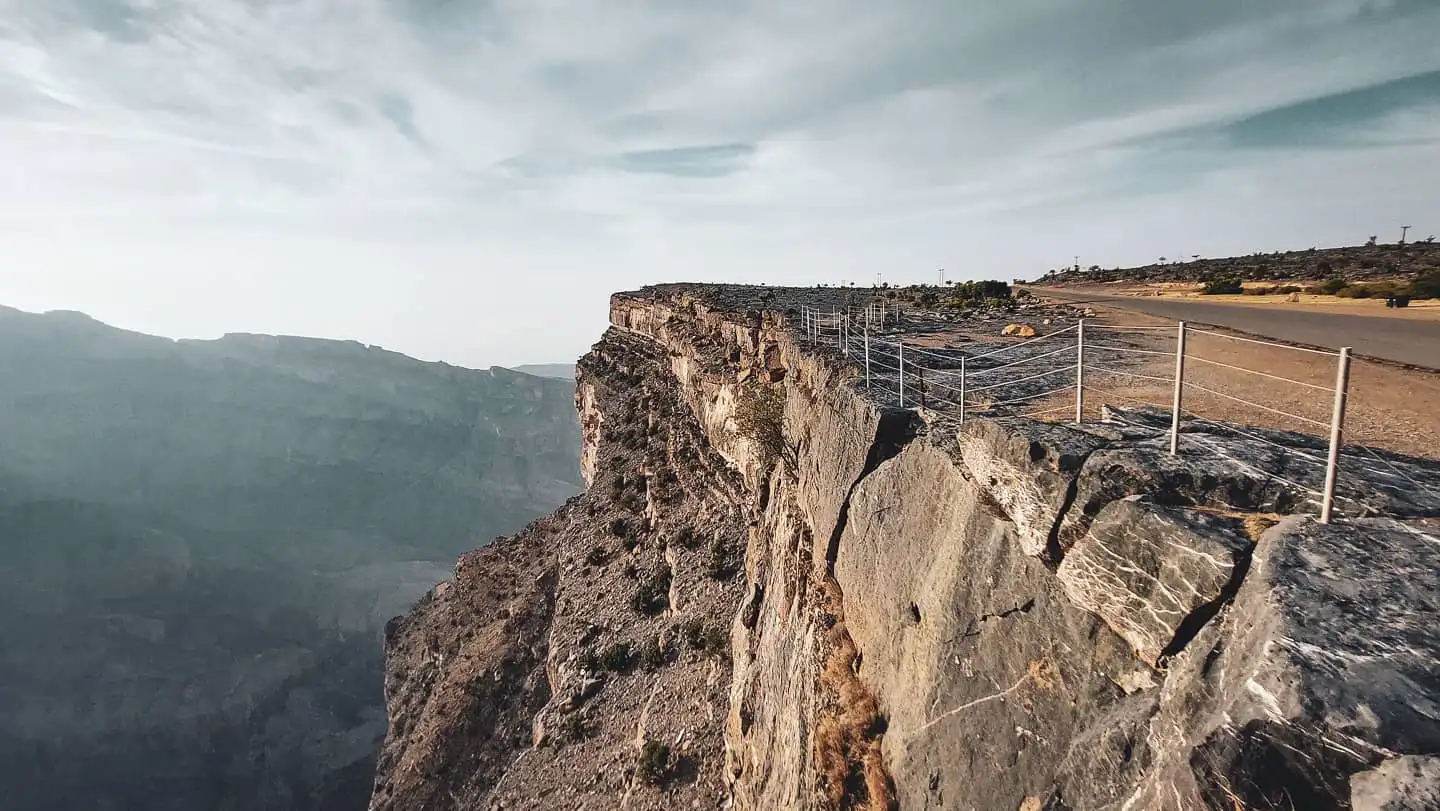
The road steepens beyond Al Khitaym, climbing through 32 switchbacks. You pass a herd of goats crossing the asphalt, their bells audible through the open window. At the summit plateau the air thins and the temperature drops. You step out at the canyon viewpoint, where a chain-link fence marks the edge. The gorge drops vertically for 300 metres before the scree slope begins. Across the void you spot the stone walls of abandoned villages, their roofless rooms open to the sky. If you walk the Balcony Walk, the trail begins as a dirt track before narrowing to a ledge cut into the cliff. Juniper roots grip the rock. The path ends at a natural platform where the canyon bends south, the wadi floor barely visible below.
All the details about your upcoming adventure in one place
Jebel Shams rises 3,009 metres above sea level, making it the highest point in Oman and the entire eastern Arabian Peninsula. Its name translates to Mountain of the Sun, a reference to the way first light strikes its limestone cliffs while the valley floors remain in shadow.
The mountain anchors the western edge of the Hajar range, a 700-kilometre chain of ophiolite rock thrust upward when the Arabian Plate collided with Eurasia roughly 70 million years ago. At the mountain's base lies Wadi Nakhr, a canyon system incising more than 1,000 metres into the plateau—a chasm steep enough to earn the informal title of Oman's Grand Canyon.
The route to the summit follows a paved road built in the 1990s to service a telecommunications relay station. It begins in the village of Al Khitaym, passing terraced farms watered by ancient falaj channels before climbing through a series of switchbacks that expose sedimentary strata deposited when this land lay beneath the Tethys Sea. Fossils of ammonites and bivalves appear in the roadside limestone. At 2,000 metres the juniper trees begin, gnarled specimens adapted to thin soil and cold winters. By 2,600 metres the plateau opens, revealing a high desert ecosystem found nowhere else in the Arabian Gulf.
The main viewpoint sits at the canyon's northern rim, where a gravel path leads to a fenced overlook above the sheer drop. Below, a network of abandoned stone villages clings to ledges in the gorge. These settlements, including Al Sab and Ghul, were inhabited until the mid-20th century by communities who farmed date palms and raised goats on terraces carved into the cliff face. The villages are reachable only by the Balcony Walk, a six-kilometre trail that contours along the canyon wall at 2,000 metres elevation, following a route originally used to move livestock between summer and winter pastures.
A Jebel Shams tour typically departs from Nizwa, 90 kilometres to the east, and includes stops at Nizwa Fort, the Al Hamra mud-brick quarter, and Misfat Al Abriyeen's terraced gardens before ascending to the summit. Multi-day itineraries allow time for the Balcony Walk and an overnight stay at one of the plateau camps, where temperatures can drop below freezing even in summer. The mountain remains open year-round, though winter snowfall occasionally closes the upper road between December and February.
Wadi Nakhr incises more than 1,000 metres into the plateau—a chasm steep enough to earn the informal title of Oman's Grand Canyon.
Modest clothing is expected when visiting a Jebel Shams tour region, covering shoulders and knees. Lightweight, breathable fabrics are recommended for the high-altitude climate.
Personal daypacks are permitted on a Jebel Shams tour trip. No formal security checkpoints exist, but local regulations regarding canyon safety should be observed.
Photography is permitted throughout the area during your Jebel Shams tour excursion. Tripods are recommended for capturing the expansive canyon vistas.
Families are welcome, though children should be supervised closely near cliff edges. A Jebel Shams tour experience involves significant elevation gain and winding mountain roads.
The summit area has uneven, rocky terrain that may be challenging for those with mobility aids. Four-wheel drive vehicles are strongly advised for any Jebel Shams tour arrival.
Visitors should carry sufficient water and snacks as there are minimal facilities. Trash must be packed out to maintain the natural environment of the Jebel Shams tour site.
Opening Hours
00:00–23:59
Address
Jebel Shams, Al Hamra, Ad Dakhiliyah Governorate, Oman
Accessibility
High-clearance vehicles required for mountain terrain
Arrival
06:00–10:00
Storage
Not available at summit
Navigation
GPS guidance recommended for off-road routes
Car · 2-3 hours from Muscat · Parking fee of 2 OMR may apply
Follow signs for Al Hamra and then the mountain road to the summit. 4WD is essential for safety.
Bookings for a Jebel Shams tour are generally flexible depending on the operator. Cancellation requests usually require 24–48 hours notice for a full refund of any paid deposit.
Recommended time
3–5 hours
A short visit for scenic vistas requires 1–2 hours, while those planning a jebel shams tour to include the popular Balcony Walk should allocate 4–5 hours. We suggest arriving early to secure parking and experience the canyon in morning light before peak temperatures rise. While crowds remain manageable, mid-morning draws more visitors to the rim viewpoints, so those seeking quiet solitude often opt for an early start.
Crowd levels through the day
Weather · crowds · average price — dots go green to amber to red as each metric rises.
March to May offers mild weather perfect for hiking and outdoor activities.
June to August brings cooler mountain temperatures compared to the hot coastal lowlands.
September to November features clear skies ideal for extensive canyon photography.
December to February can be quite cold, sometimes reaching near-freezing temperatures at night.
Ensure your brake fluid and tires are in excellent condition before the ascent.
Temperatures drop rapidly as you climb higher so carry warm layers.
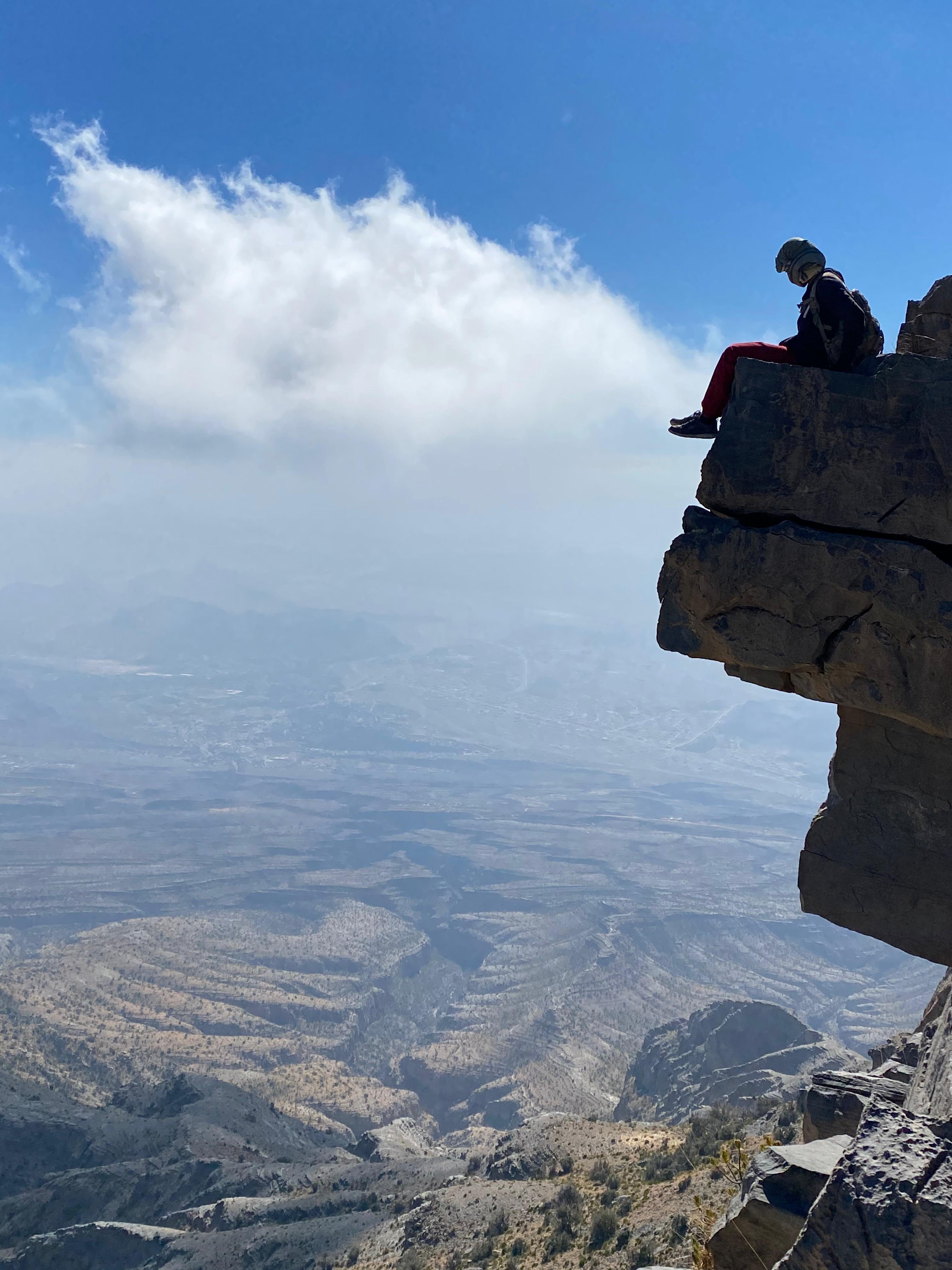
Avoid venturing near the cliff edge for safety while taking photos.
Fill your gas tank in Al Hamra before beginning the steep drive.
Pack out all your waste to preserve the local environment.
Jebel Shams, Oman's highest peak at 3,009 meters, has served as a natural fortress and navigational anchor for millennia. Pre-Islamic tribes used its ridges as lookout points to control trade routes between the interior and the coast. The mountain's Arabic name, "Mountain of the Sun," refers to its position as the first summit in Oman to catch dawn light. Geological surveys in the 1970s confirmed its status as part of the Hajar range's ophiolite sequence, a 95-million-year-old slice of oceanic crust thrust onto the Arabian Plate. Early explorers documented terraced agriculture on its lower flanks, sustained by ancient falaj irrigation channels that still function today. Modern access began in 1979 when Sultan Qaboos ordered a graded road to the summit plateau as part of Oman's infrastructure modernization. The project took four years and required engineers to carve switchbacks into near-vertical limestone. By 1983, the route opened to civilian traffic, transforming what had been a two-day donkey trek into a 90-minute drive from Nizwa. The Wadi Ghul gorge, visible from the summit rim, became known colloquially as the "Grand Canyon of Arabia" after a 1990 tourism campaign. Depth measurements in 1998 confirmed the canyon drops 1,000 meters from rim to wadi floor. The Al Khitaym village, perched on a ledge 300 meters below the summit, was abandoned in 2004 when its last families relocated to Al Hamra for school access. Ruins of stone houses and grain stores remain visible from the Balcony Walk trail, established in 2007 by the Ministry of Tourism. A 2015 incident involving unprepared tourists prompted the installation of warning signage and a seasonal ranger station. Today, jebel shams tour operators navigate a road maintained by the Ministry of Transport, though sections above 2,000 meters require four-wheel drive. The summit viewpoint parking area was paved in 2019. No ticket booth exists; entry remains free, though parking incurs a 2 OMR fee collected by attendants.
Tribal settlements used Jebel Shams ridges as defensive lookouts over interior trade routes.
Geological surveys identified the mountain as Oman's highest peak and mapped its ophiolite rock composition.
Sultan Qaboos commissioned a graded summit road, opening civilian vehicle access by 1983.
Tourism campaigns labeled Wadi Ghul the "Grand Canyon of Arabia," drawing international attention to the gorge.
Al Khitaym village, the last inhabited settlement on the summit plateau, was abandoned for modern infrastructure.
The Balcony Walk trail was formalized, allowing hikers to explore abandoned villages and canyon rim views.
Rescue incidents led to installation of safety signage and seasonal ranger patrols at the summit viewpoint.
Summit parking area paved and fee collection standardized at 2 OMR per vehicle.
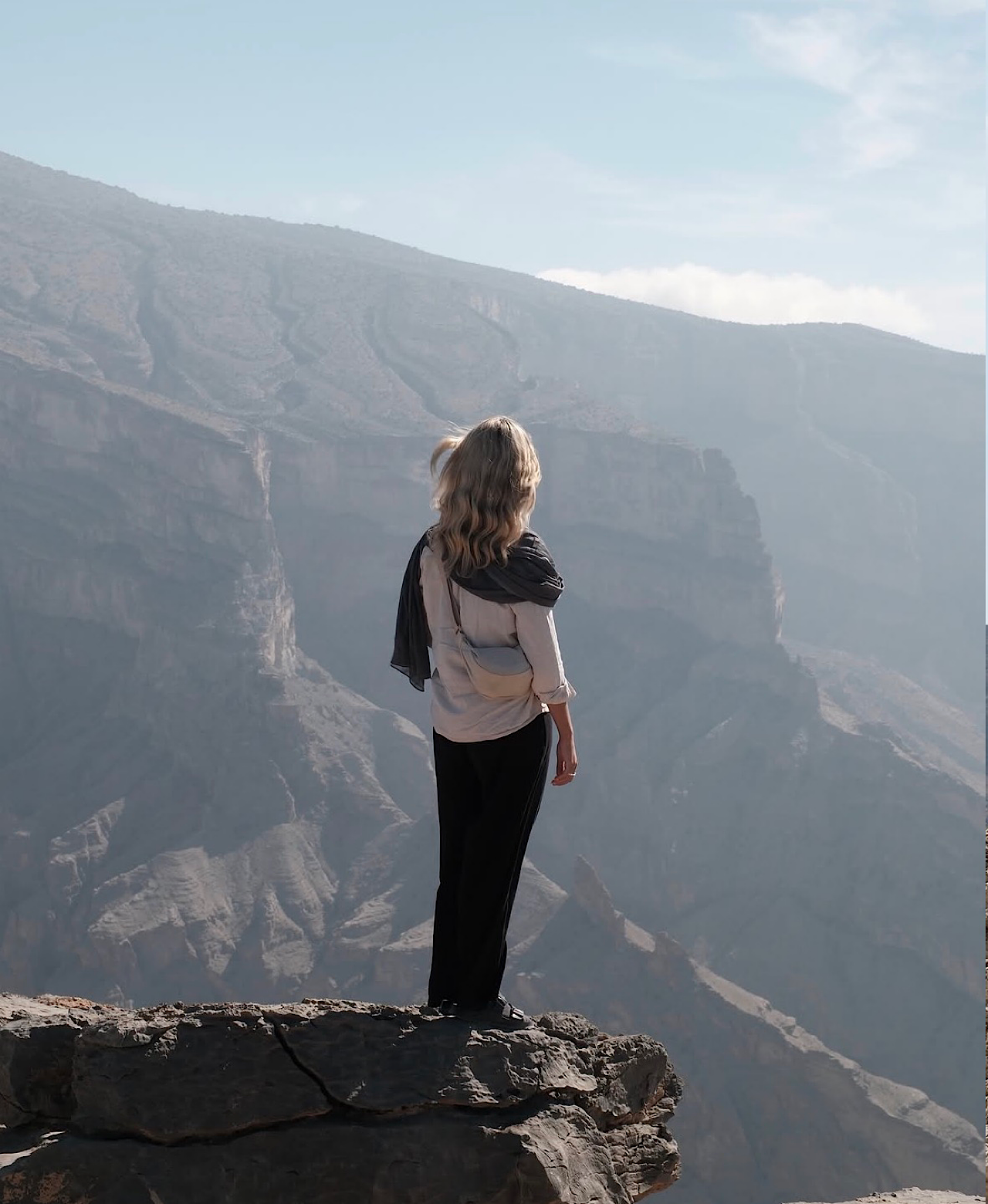
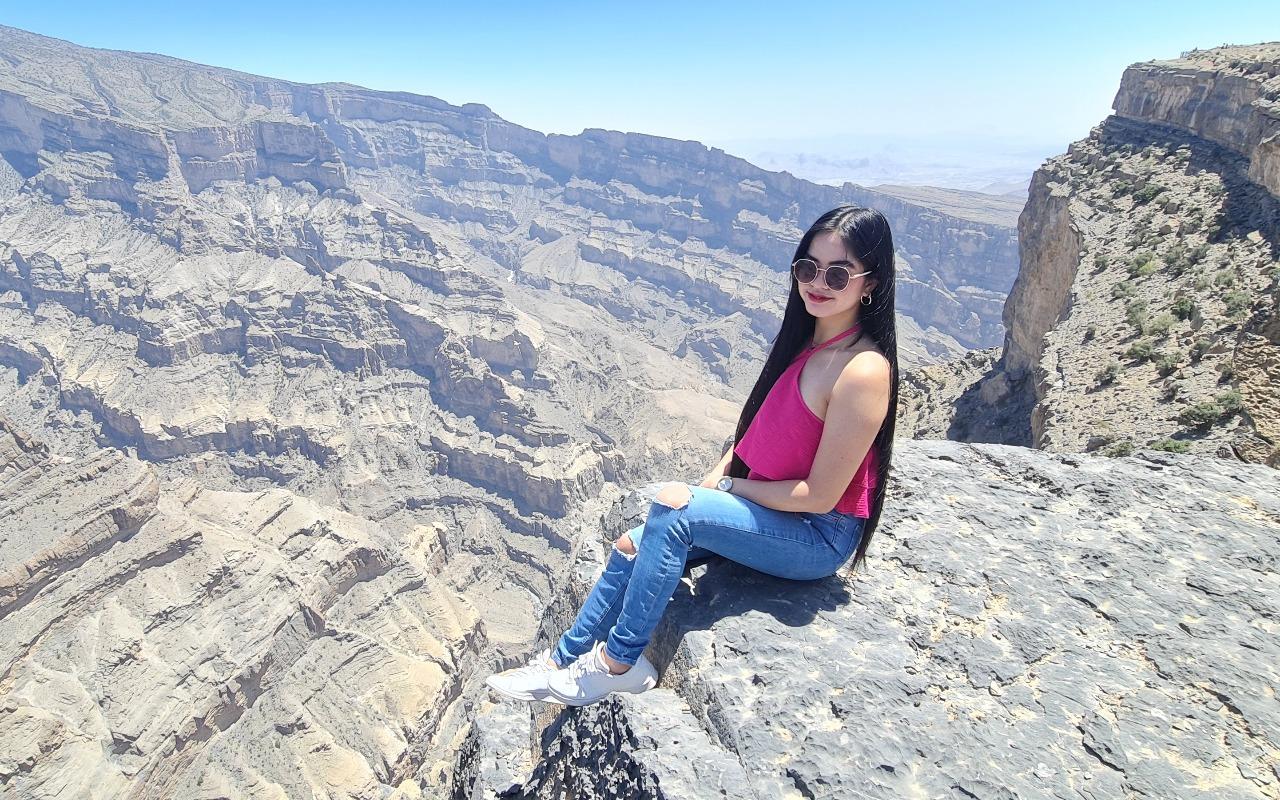
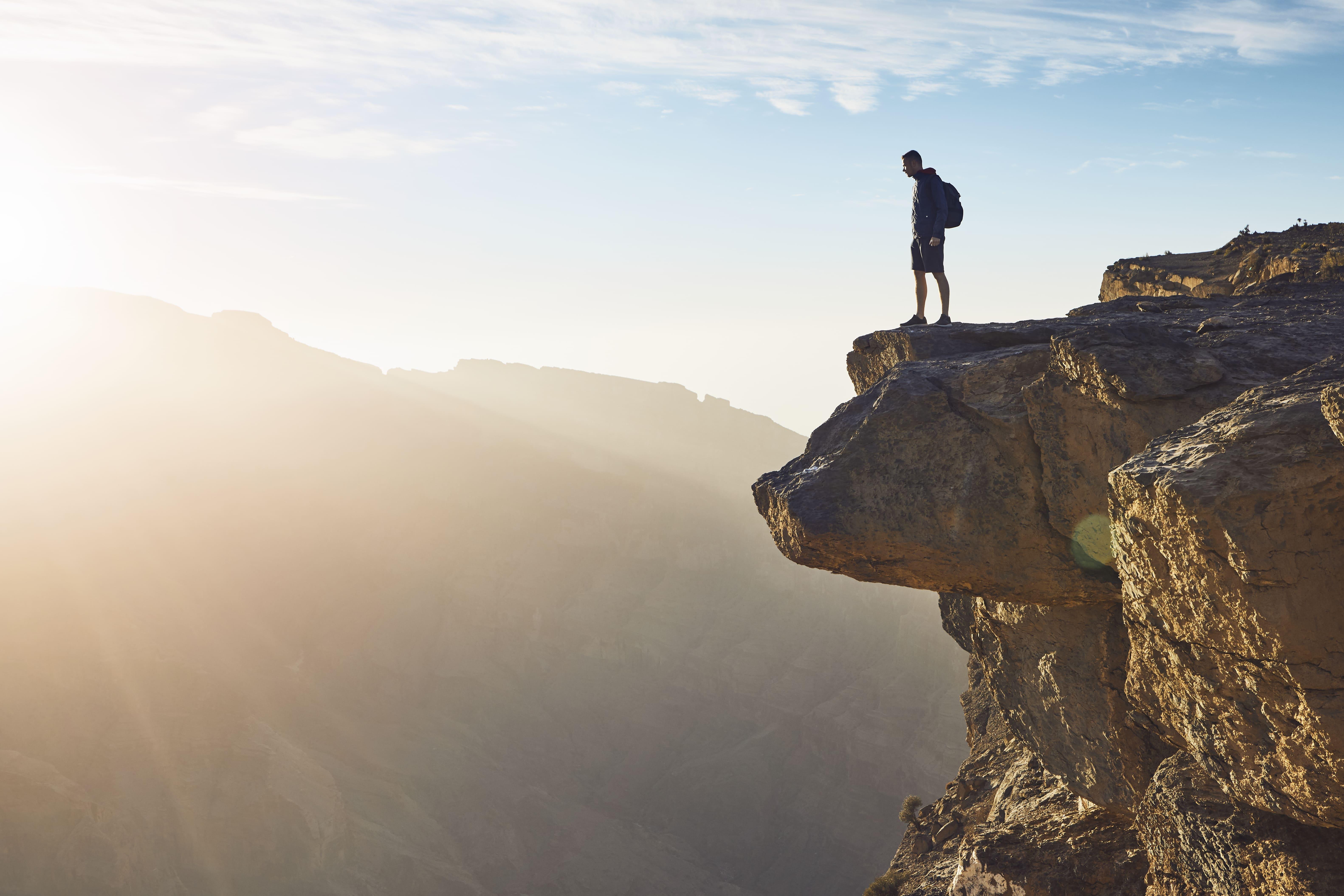
Position yourself at the fenced perimeter to capture the vast drop of Wadi Ghul, often referred to as the Grand Canyon of Arabia. This high-altitude vantage point provides the most expansive perspective of the jagged limestone cliffs.
Planning a jebel shams tour requires careful preparation, as the rugged terrain of this Omani mountain range presents a natural, unpaved environment for families. Exploring this high-altitude landscape offers children an opportunity to engage with vast canyon vistas and rocky plateaus.
The rugged, uneven mountain paths are not suitable for strollers, so parents should bring a reliable child carrier for younger children.
This destination is best suited for older children and teenagers who can navigate steep edges and rocky terrain safely.
There are no public baby-change facilities available at the summit, and jebel shams tour tours require families to be self-sufficient during their visit.
Because of the challenging altitude and environment, plan for frequent breaks and keep a steady, slow pace to help children adjust to the thin air.
Pack plenty of water and snacks for your jebel shams tour ticket holders, as dining options are extremely limited in the immediate vicinity of the peaks.
Finding food near your jebel shams tour is best managed through the established resorts that accommodate visitors along the canyon rim. These mountain lodges offer essential refuelling for those arriving after their jebel shams tour tours, providing hearty meals that complement the high-altitude terrain.
Offers a buffet-style experience featuring traditional Omani dishes and international cuisine. It serves as a reliable stop for a substantial lunch after securing your jebel shams tour tickets.
Everything you need to know for your journey
The Jebel Shams site is accessible 00:00–23:59 daily.
There is 0 OMR entrance fee, though a 2 OMR parking fee may apply at the summit viewpoint.
The best arrival window is 06:00–10:00 to enjoy cooler temperatures and optimal morning light.
Yes, a high-clearance 4WD vehicle is essential for safely navigating the mountain roads to the Jebel Shams tour location.
Children are welcome, but must be monitored closely near the steep cliff edges of the Jebel Shams tour area.
Facilities are very limited, so ensure you prepare accordingly before reaching the Jebel Shams tour peak.
Wear modest, comfortable clothing and sturdy shoes suitable for walking on uneven, rocky surfaces.
Yes, photography is encouraged, especially when booking a private photography-focused Jebel Shams tour.
Availability for jebel shams tour tickets varies; check the live booking grid for current slots.
A typical visit lasts 3–4 hours to explore the viewpoints and complete light hiking around the Jebel Shams tour area.
Known as the Grand Canyon of Arabia, this site offers sheer drops and rocky vistas.
The highest point in the region providing panoramic views over the surrounding peaks.
A traditional village built into the mountainside with ancient falaj irrigation systems.
Situated near the edge for direct mountain access.
Offers chalet-style rooms with views of the canyon.
Multiple guesthouses and local stays available in the town.
Join thousands of happy travelers who have discovered this incredible experience
Book Your Experience Now